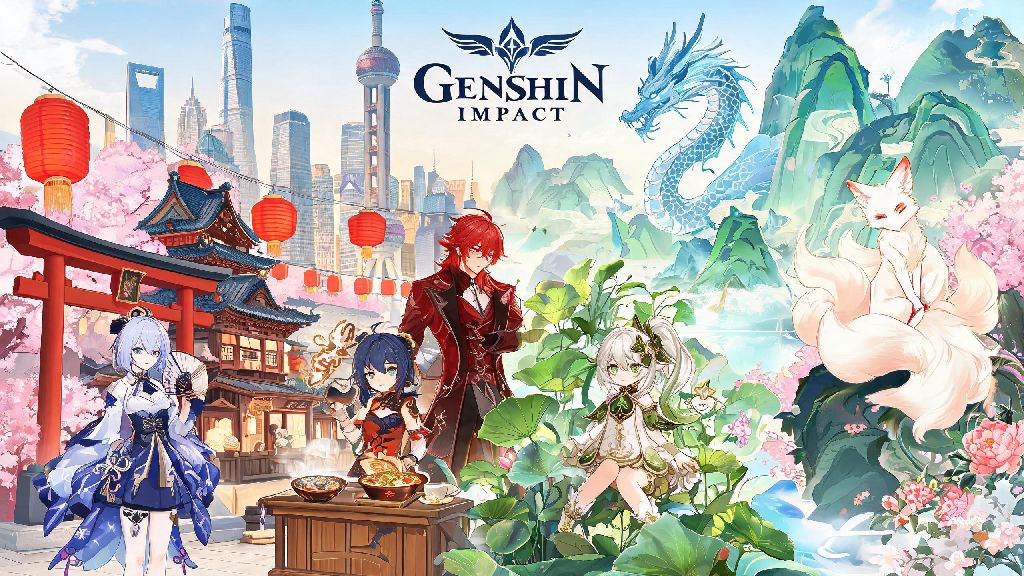
If you’ve spent any time in Genshin Impact Discord servers, Reddit threads, or local fan meetups in 2026, you’ve almost certainly seen the question pop up: is Genshin Impact Japanese. It’s an incredibly common mistake, especially for new players who only know the game for its anime art style, popular Japanese voice cast, and the beloved traditional Japanese-inspired Inazuma region. There’s no shame in asking, either, because HoYoverse has built a truly global game that pulls inspiration from almost every corner of the world. We’re breaking down the facts, clearing up misconceptions, and giving you all the context you need to understand exactly where Genshin comes from.
Is Genshin Impact Japanese? Breaking Down Its Core Developer Roots
Let’s get the straight answer out of the way first: No, Genshin Impact is not a Japanese game. It was developed and published by HoYoverse, a video game and media company founded and headquartered in Shanghai, China. As of 2026, the core Genshin Impact development team is still based primarily out of Shanghai, with smaller supporting teams in cities around the world including Tokyo, Los Angeles, and Seoul.
The original game script is always written in Mandarin Chinese first, before being localized into more than 15 languages for global release. Many people assume the game is Japanese because the anime art style it uses is still widely associated exclusively with Japanese media, but that’s an outdated way of looking at things. Anime as an art style has become a global medium, with studios in China, South Korea, the United States, and more creating high-profile anime-style content for global audiences.
HoYoverse does have a large office in Tokyo that works on localization, cultural consulting for Japanese content, and partnerships with local creators, but that office doesn’t lead core development of the base game. That work stays with the main Shanghai team, who have been steering the direction of Genshin since it first launched.
Key Cultural Influences That Mix Up Genshin Impact’s Origins
The biggest reason so many fans get confused about Genshin’s origins is that the game’s world of Teyvat is built on cultural references from all over the globe, not just the home country of its developers. Each of the seven main regions in Teyvat draws heavily from real-world cultural histories, mythologies, and architectural styles, so players who only engage with one region often assume the whole game is tied to that region’s real-world counterpart.
There are a few specific factors that lead most people to ask if Genshin Impact is Japanese, including:
Inazuma is just one of seven core regions in the game’s world of Teyvat, too. Other regions pull just as heavily from other global cultures: Liyue is based on traditional Chinese culture, Sumeru draws from South Asian and Southwest Asian and North African cultures, Fontaine is inspired by 19th century France, and the 2026 Natlan update pulls heavily from Indigenous Mesoamerican and West African cultural traditions. The game isn’t tied to any single cultural background, which is part of why it has such broad global appeal.
How Global Localization Shapes Fan Perceptions in 2026
Another big part of the confusion comes from how much effort HoYoverse puts into localization for every major market, including Japan. Unlike many smaller game studios that do rough, literal translations for international markets, HoYoverse hires local writers, voice actors, and cultural consultants for every region it releases content in, to make sure jokes, references, and story beats land naturally for local players.
Japanese players make up nearly 18% of Genshin Impact’s global active player base as of 2026, so the Japanese localization team gets a lot of resources to make the game feel tailored for that market. They adjust event timing to align with Japanese public holidays, add small region-exclusive easter eggs for Japanese players, and work closely with popular local influencers to promote new updates. For players who only interact with the Japanese version of the game, it’s easy to assume it was made specifically for that market.
It’s important to note that these localization changes never alter the core story or lore of the game, though. Localization teams don’t rewrite core lore, they adapt it to fit local cultural context without changing the original story beats created by the main Shanghai development team. For example, a joke that relies on Chinese wordplay might be rewritten to use a similar Japanese wordplay that carries the same tone and meaning, but the plot point tied to that joke stays exactly the same across all regions.
Why This Question Matters For Global Gaming Communities
You might be wondering why it even matters if people think Genshin Impact is Japanese. It’s just a game, right? But this question ties into much larger conversations about global media production, and the growing role of non-Japanese studios in creating anime-style content that reaches global audiences.
Mislabeling Genshin Impact as Japanese erases the decades of work Chinese animation and game developers have put into growing the global anime-style media space. For a long time, Chinese anime and game studios were seen as low-quality imitators of Japanese studios, but the success of Genshin and other HoYoverse titles like Honkai: Star Rail has shown that Chinese studios can create world-class content that competes with the biggest Japanese franchises on a global stage.
That doesn’t mean you should call out people who make the mistake, though. It’s an incredibly common assumption, and most people have no ill intent when they ask. If you see someone asking the question in your fan community, you can gently correct them and share a bit of context about the game’s global influences. It’s a great opportunity to talk about how media is becoming more global, and how games can pull inspiration from all over the world to create something that feels familiar to players no matter where they live.
At the end of the day, the question is Genshin Impact Japanese has a simple answer: No, it’s a Chinese-developed game with global cultural influences and heavy localization for markets around the world, including Japan. The confusion around its origins makes perfect sense, too, because HoYoverse has built a game that feels intentionally accessible and familiar to players from almost every cultural background. As of 2026, it’s one of the best examples of truly global media, bringing together writers, artists, voice actors, and creators from all over the world to make a game that millions of people love, no matter where they’re from. If you found this breakdown helpful, feel free to share it with other fans who might be asking the same question.